News Summary:
° South Sumatra’s Health Office reports that only 361 of 503 MBG food service kitchens have earned sanitation certificates, raising concerns over food safety as the free nutritious meal program expands across the province.
PALEMBANG, LINTANGPOS.com – The South Sumatra Health Office has confirmed that hundreds of kitchens involved in the government’s Free Nutritious Meal (MBG) program are still racing to meet basic food safety standards.
As of mid-January 2026, only 361 food service units, known locally as Satuan Pelayanan Pemenuhan Gizi (SPPG), have secured the Sanitation Hygiene Eligibility Certificate (SLHS).
That figure represents just 72 percent of the total 503 SPPG operating across the province.
“SLHS ownership is crucial because it proves that a kitchen is safe, clean, and meets food hygiene standards,” said Dedy Irawan, Head of Community Health at the South Sumatra Health Office, on Friday (January 16, 2026).
The certification process is far from symbolic. According to Dedy, every SPPG must undergo document verification, on-site inspections, and laboratory testing to ensure food and water served under the MBG program are free from contamination risks.
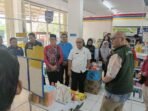
Health officers inspect multiple factors during field surveys, including access to clean water, wastewater treatment systems (IPAL), air circulation, and whether food handlers have received proper hygiene training.
Kitchens must also pass Environmental Health Inspections (IKL) before qualifying for certification.
“Some SPPG have not yet met the environmental health requirements. Once those issues are addressed, the SLHS can be issued more quickly,” Dedy explained.
Laboratory tests on food samples and water quality are another critical step. Faster test results that meet standards can significantly shorten the certification timeline.
However, challenges remain. Several SPPG continue to struggle with inadequate infrastructure, particularly clean water supply and waste management systems that fall short of regulations.